Designing Confidence
A user-centered 3D-printed knee sleeve for female athlete ACL risk
A female-specific knee-support system developed through athlete research, textile-integrated 3D printing, prototyping, and movement evaluation to support stability, wearability, and confidence.
The problem
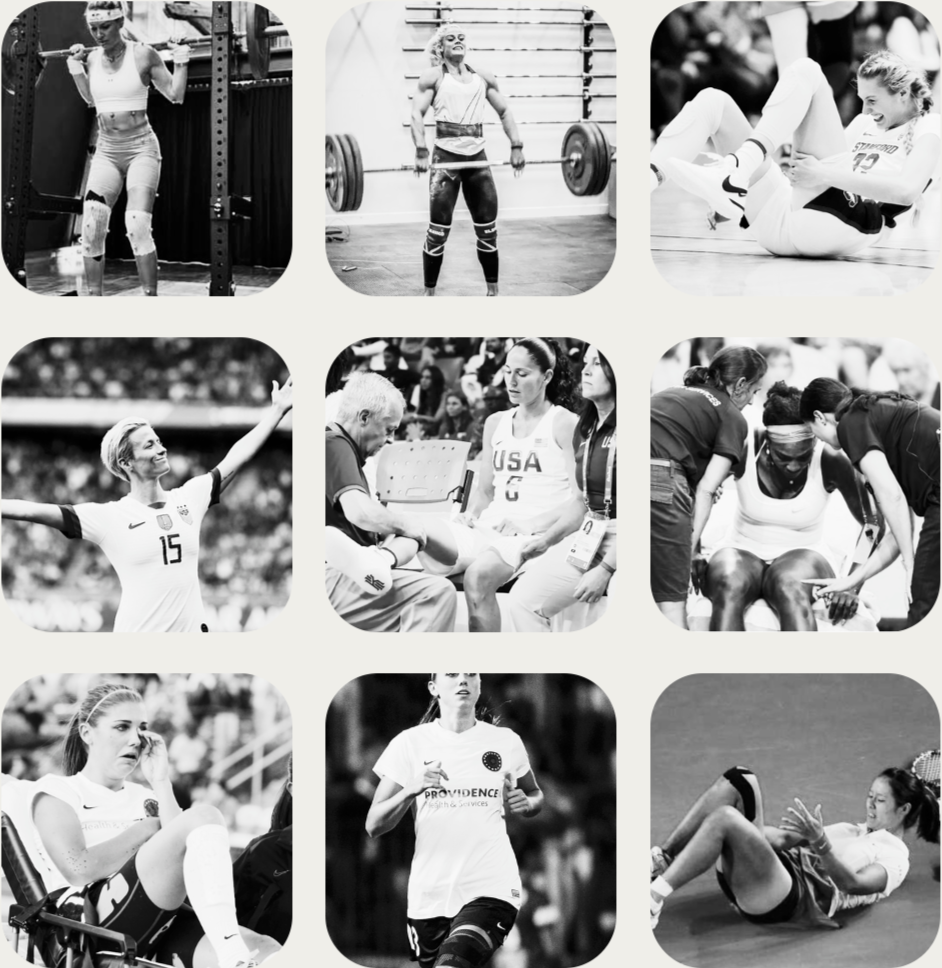
Female athletes experience disproportionate risk of knee injury, particularly ACL injury, while many existing supports are bulky, restrictive, poorly fitting, or provide limited directional support. Beyond physical performance, injury can also affect confidence, trust in movement, and willingness to return fully to sport
The Design Opportunity
Could a knee sleeve combine the comfort and mobility of a textile product with strategically placed reinforcement for targeted support?
Direct-to-textile 3D printing gave the opportunity to vary reinforcement density, flexibility, and stiffness while maintaining a low-profile textile base.
Understanding the User
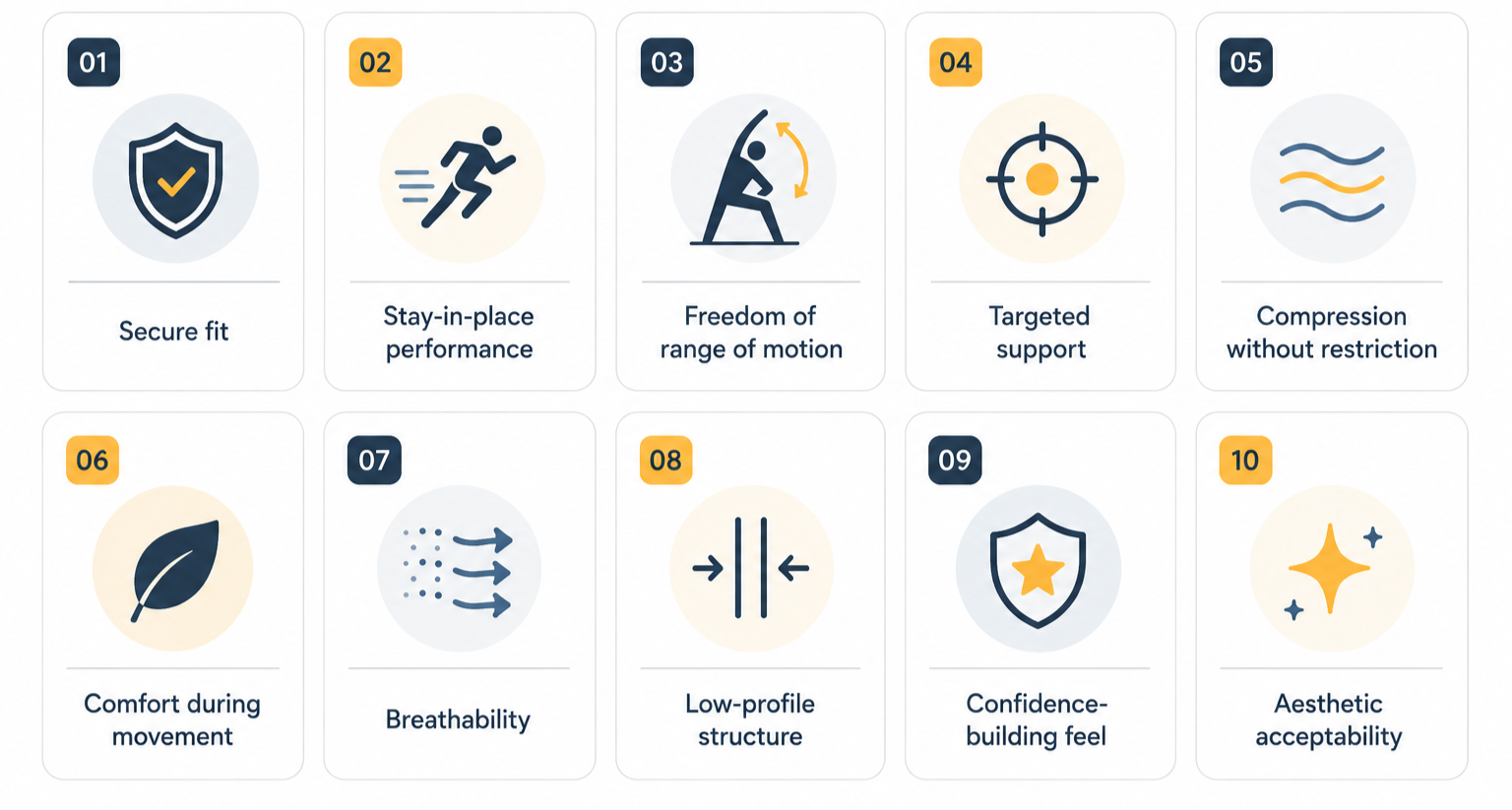
Athlete surveys and stakeholder interviews identified key needs around fit, comfort, stability, mobility, trust, and confidence. These findings were translated into clear design requirements for the knee sleeve.
Developing the Material System
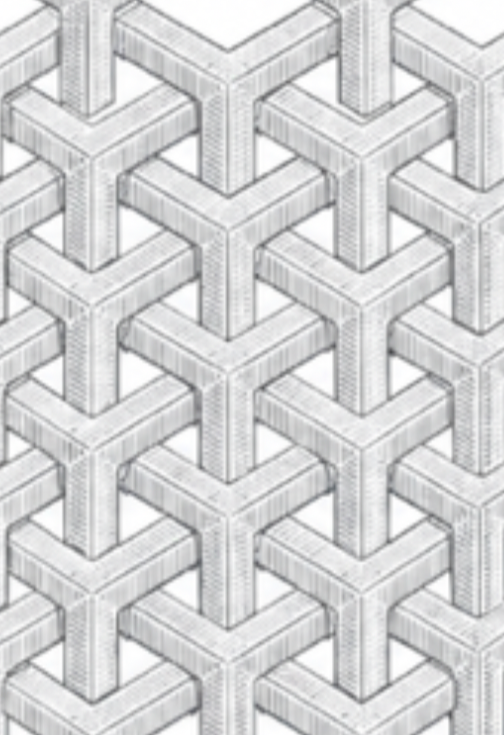
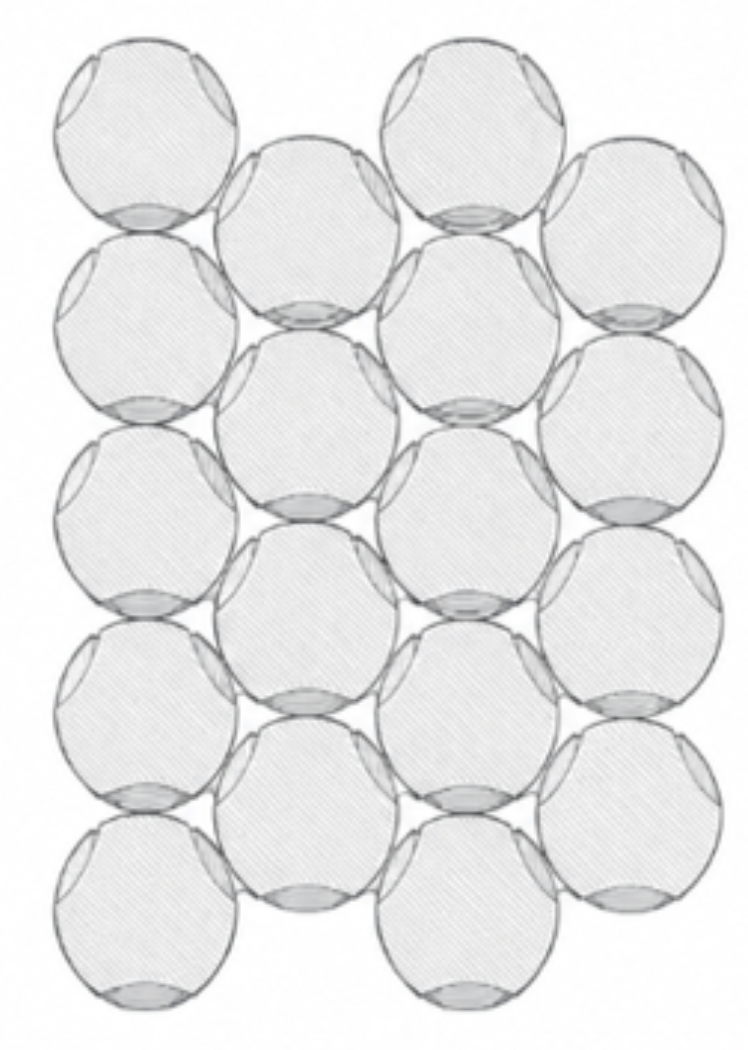
A matrix of 81 direct-to-textile 3D-printed samples was created and tested across different textiles, print materials, structures, and densities. The final combination was selected for its balance of adhesion, strength, flexibility, and wearability.
The goal was not maximum stiffness.
The goal was the right balance of:
support + flexibility + comfort + wearability
Prototype Development
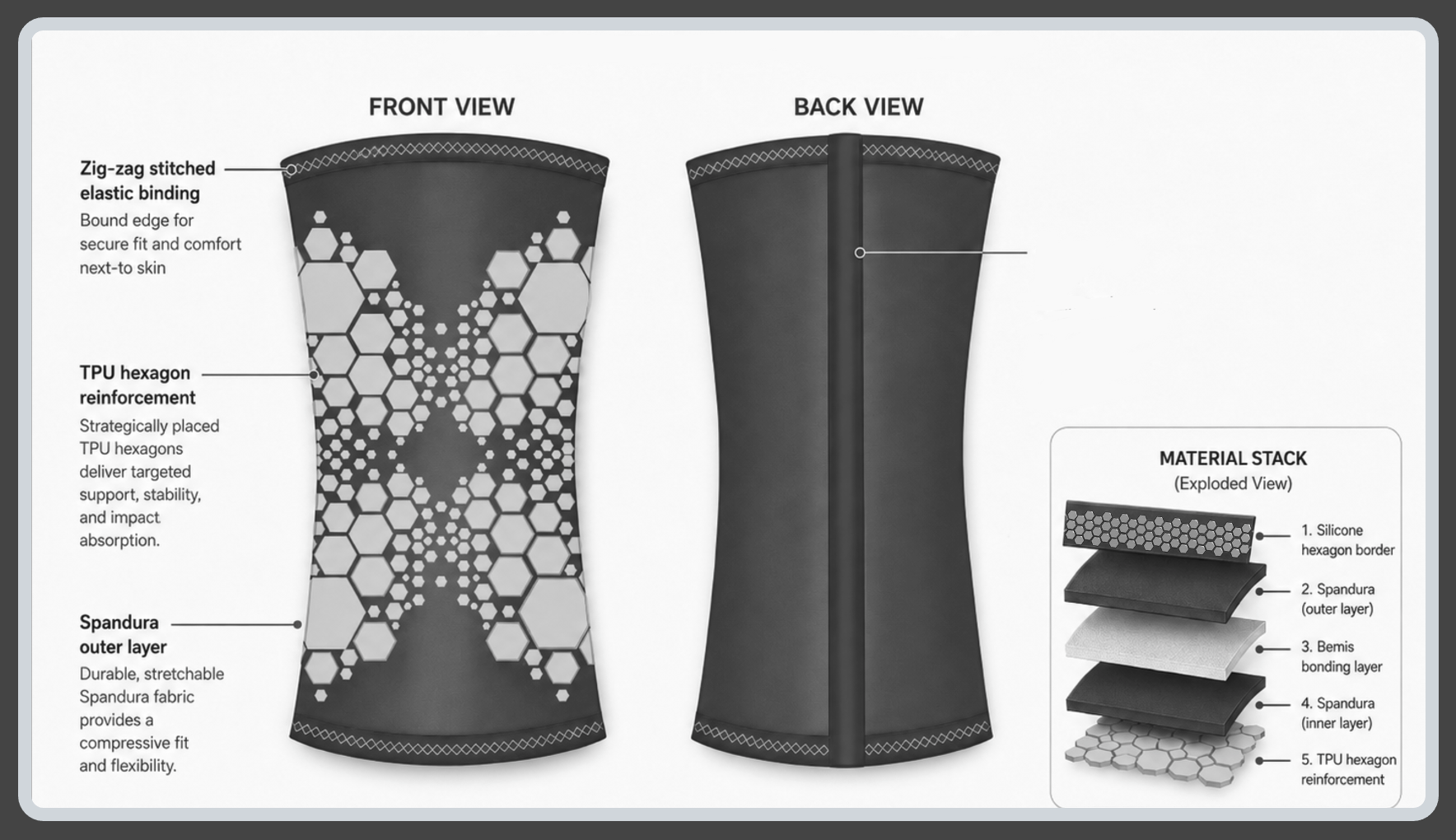
Developed the sleeve pattern around a close-to-body stretch textile base to maintain compression and mobility.
Used Spandura as the final textile substrate for its stretch, recovery, and compatibility with direct-to-textile printing.
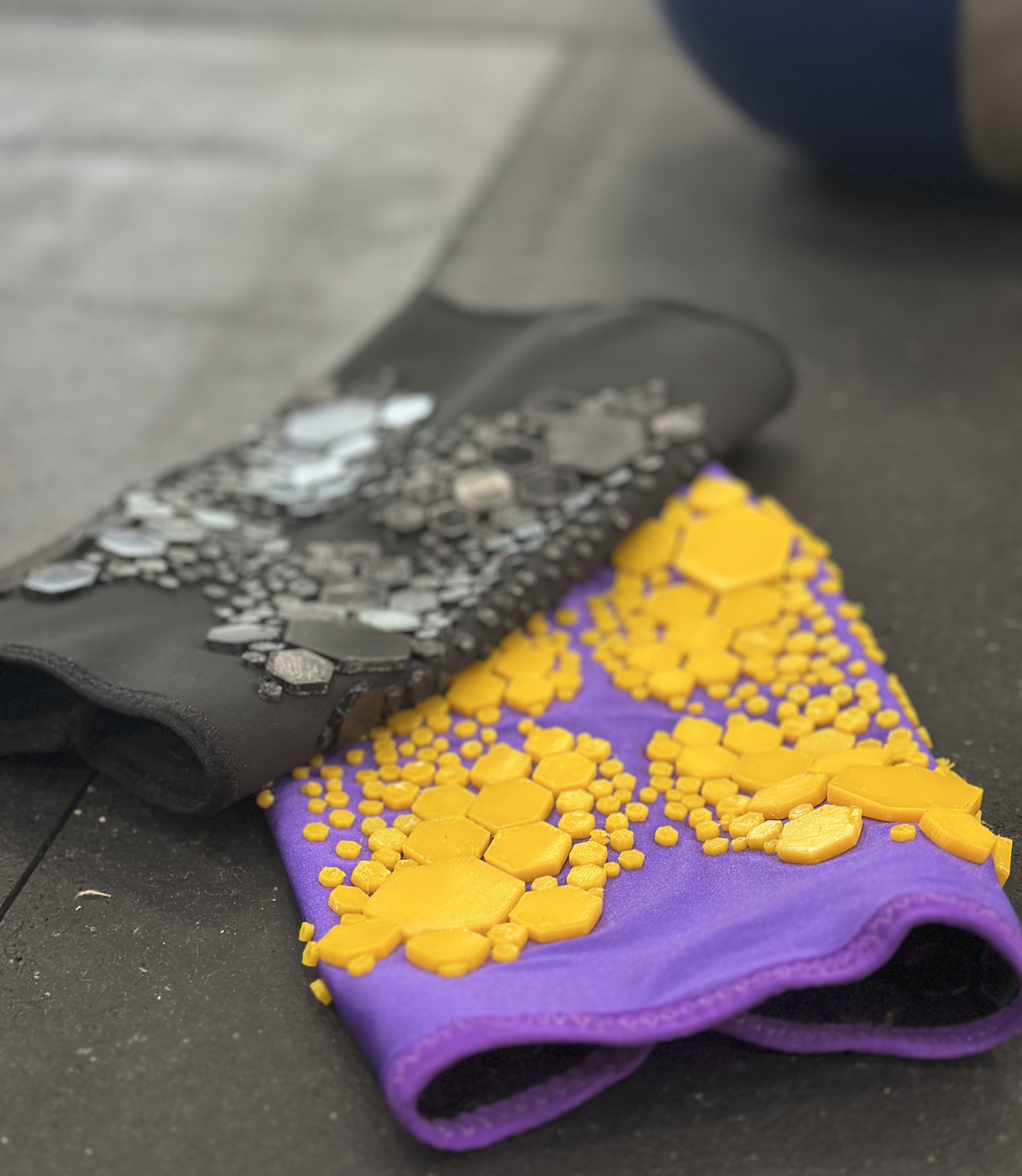
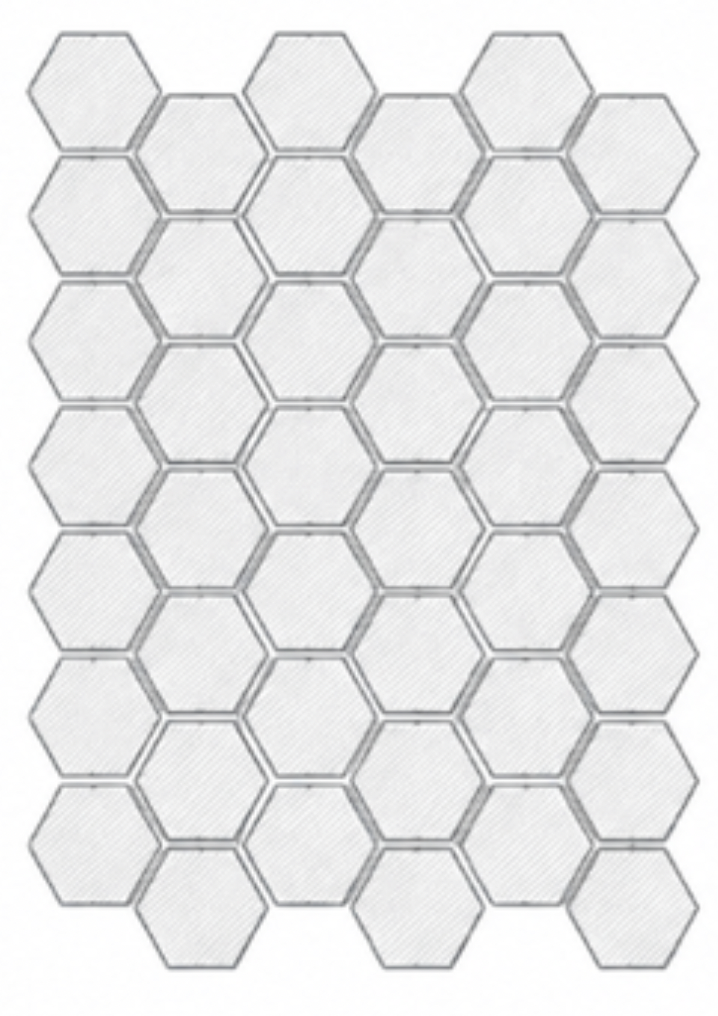
Integrated TPU hexagonal reinforcement directly onto the textile to create localized support while preserving flexibility.
Selected the 90% density hexagonal structure based on its balance of adhesion, strength, extensibility, and wearability.
Finished the prototype with stretch binding and a layered material construction designed for secure fit, comfort, and movement.
Final prototype evaluated through a proof-of-concept athlete wear trial using Open Cap’s markerless movement capture
Participants completed sport-related movements in three conditions:
No sleeve
Sleeve A: commercial knit compression knee-sleeve
Sleeve B: prototype 3DP knee-sleeve
Movements tested:
⚬Drop vertical jump
⚬Single-leg squat
⚬Air squat
•Athlete survey focused on comfort, fit, perceived support, confidence, and movement freedom
Testing the Prototype
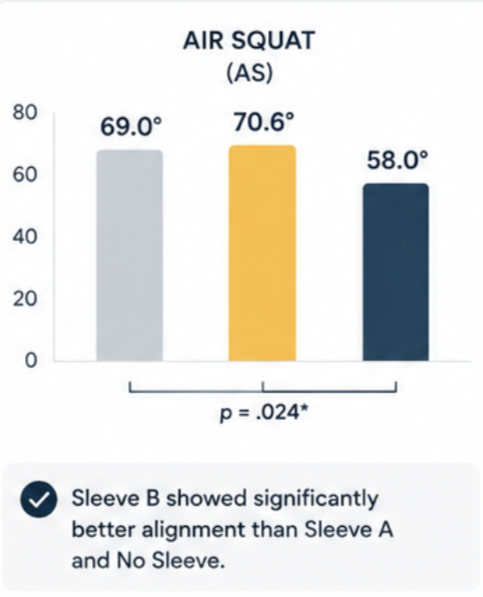
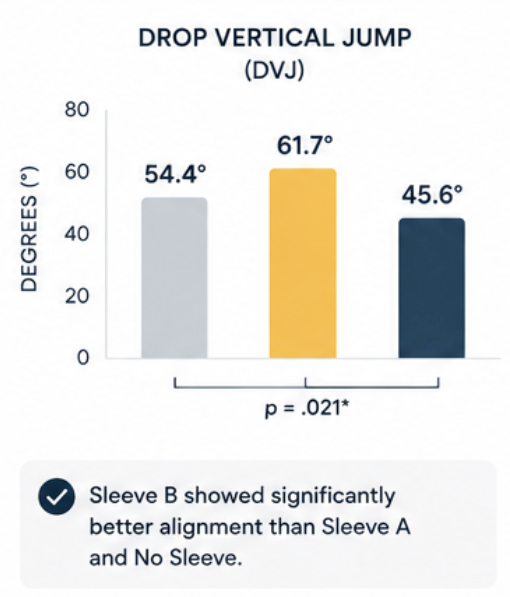
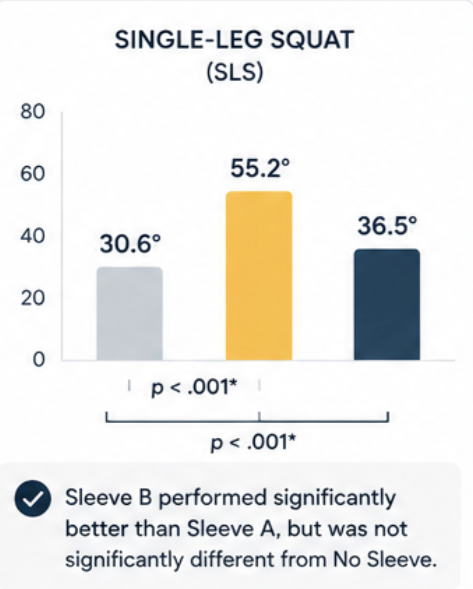
The 3DP prototype showed promising proof-of-concept performance, with the lowest knee deviation during the drop vertical jump and air squat and better alignment than the commercial sleeve during the single-leg squat. Peak knee flexion remained similar across conditions, suggesting the prototype did not meaningfully restrict movement, while athletes also rated it highly for stability, confidence, natural movement, support, secure fit, and comfort.
Testing Results